
From Icarus to Skybubbles: inhabiting the air with lightness… and awareness
If the dream of flying has accompanied humanity since Icarus, it was truly from the 18th century onwards, with the invention of the first inflatable structures, that this aspiration took shape in a surprising way: not with wings, but with air.
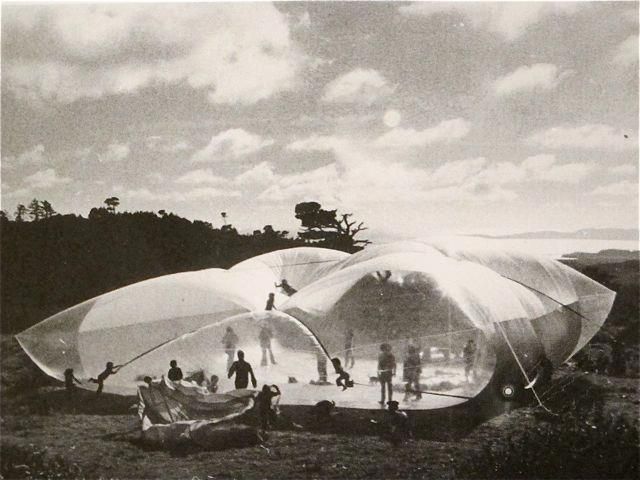
Inflatables not only transformed aeronautics, but also paved the way for a new relationship with our surroundings. Their way of inhabiting space—lightweight, flexible, and ephemeral—offered an alternative to traditional architecture. Rather than erecting walls, they suggested a gentle coexistence with the world, as if one could merge with the landscape instead of colonizing it.
Skybubbles carry this legacy into the 21st century with a renewed perspective. Sleeping inside an inflatable, transparent bubble is much more than a visual experience: it is a radically different way of understanding tourism, architecture, and luxury. The lightness is not only in the structure itself; it is also in the footprint we leave behind. There are no foundations, no permanent constructions, no irreversible impact… And that is precisely what makes them different.
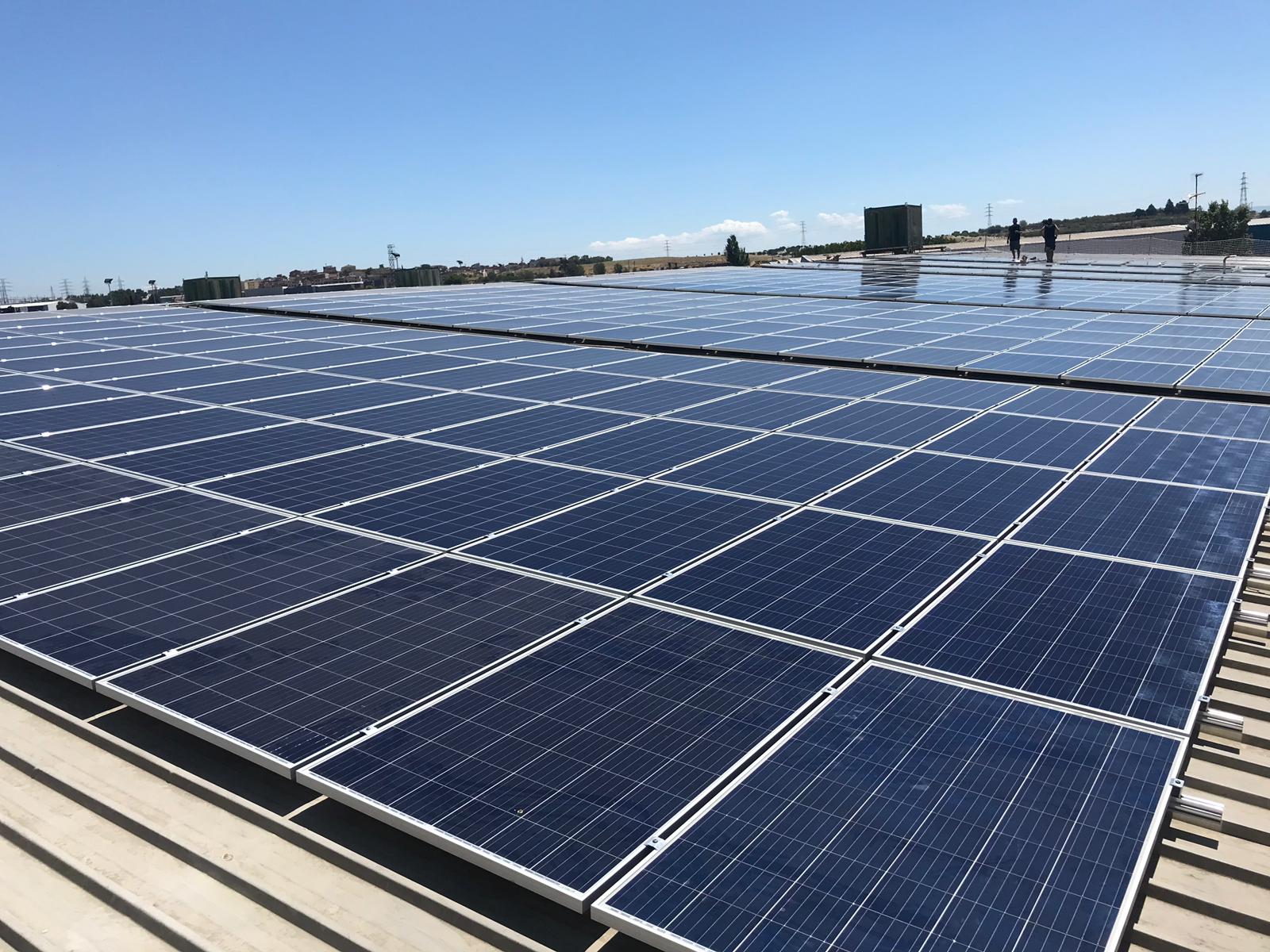
But if the history of inflatables is also the history of technical and material innovation, at Skybubbles we wanted to take things one step further. Perhaps because we were inspired by the revolutionary architects of the 1960s, who instilled certain convictions in us, or perhaps simply because we believe that if one of our promises is to connect with nature, we must live up to it: we have set ourselves the goal of making both our materials and our production as environmentally friendly as possible. To make this a reality, a couple of years ago we took the first step: we transformed our entire factory—offices and production—into a 100% self-sufficient facility, powered by solar energy. We are officially carbon neutral in terms of energy consumption: we do not burn a single watt of fossil fuel.
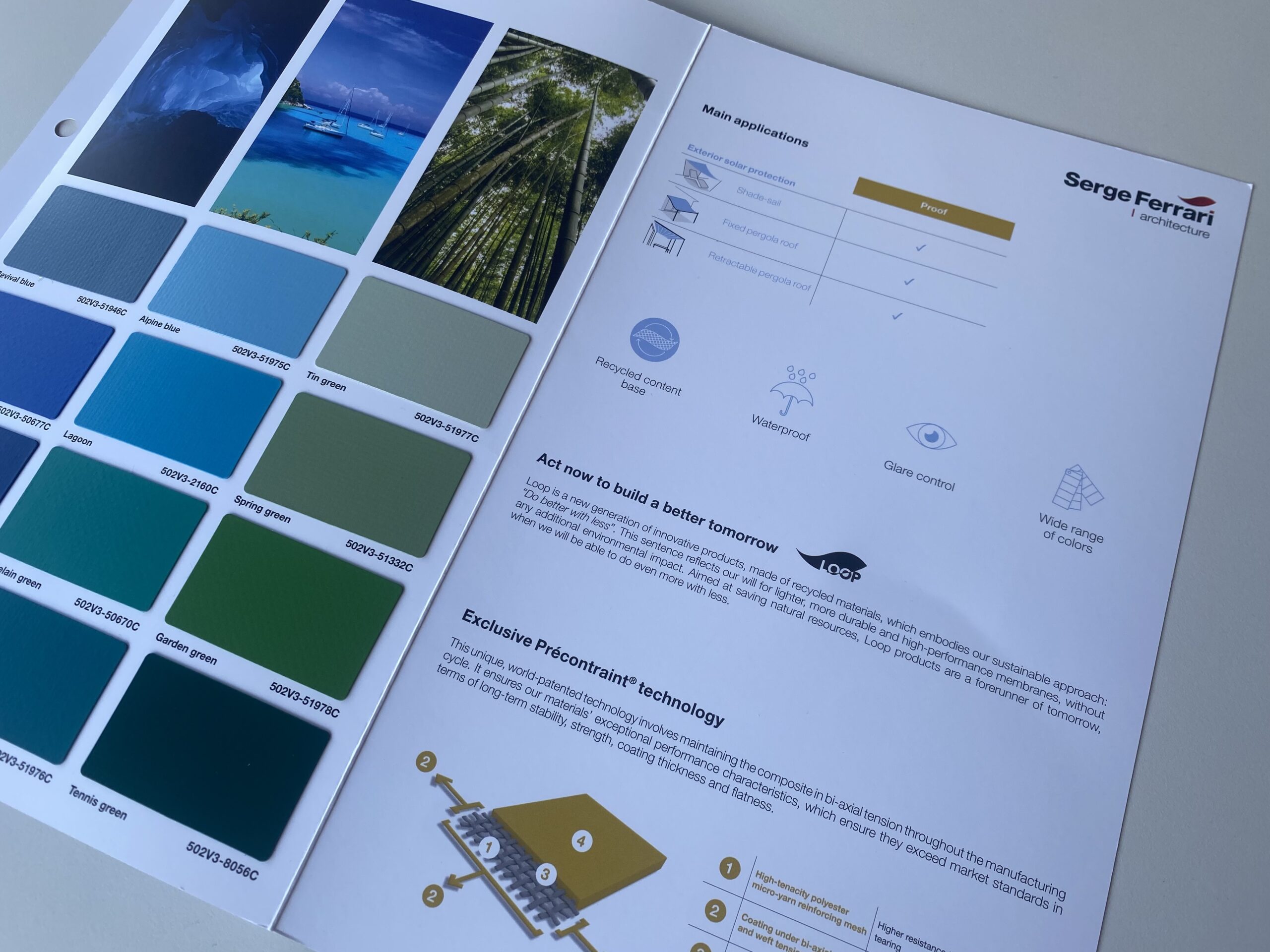
Now, we are taking a second step: the main fabric used in Skybubbles, manufactured by the prestigious firm Ferrari, will now be produced using recycled polyester yarns. From now on, our bubbles will be made up of 40% recycled material, without compromising their technical performance or structural guarantees in the slightest. This change will reduce the carbon footprint of the main material in each bubble by 30%. And no, we are not doing this for image purposes; greenwashing is not for us.
We do it because we believe it is our responsibility: Skybubbles are not a trend or a decorative gesture, but a synthesis of technology, design, and sustainability—a way of inhabiting without invading. We know it is our responsibility because we are helping to build the future, inspired by those who, before us, imagined inflatable structures as a path toward new sustainable ways of living.
We are the heirs to the thinking of the pioneers of the 20th century: Richard Buckminster Fuller, Frei Otto, Ant Farm, and Hans-Walter Müller, and we believe that innovation is the key to finding solutions: if we are going to offer a transformative experience, we also want it to be transformative for the planet.
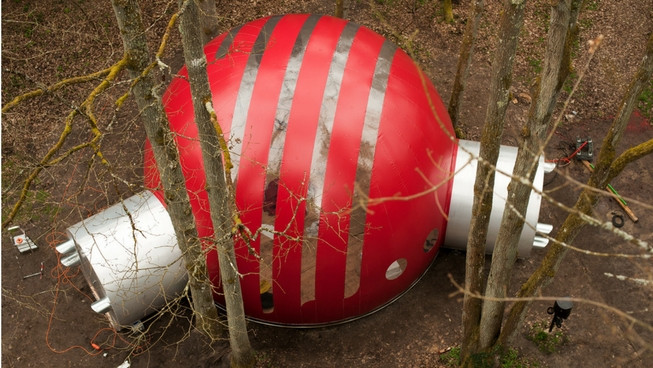
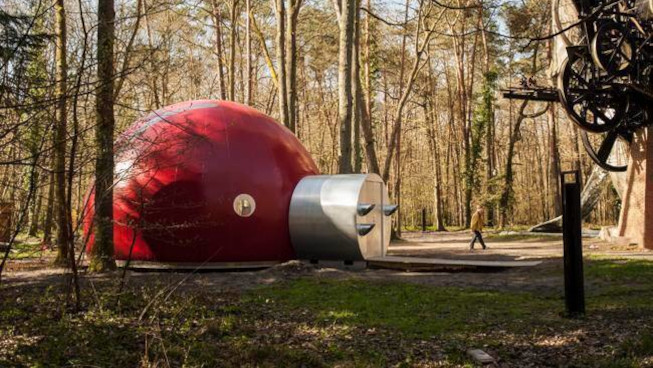
Ultimately, Skybubbles are not just shelters from which to gaze at the stars: they are also a commitment, a way of demonstrating that it is possible to design intelligently, build consciously, and live lightly.
And that, without a doubt, is also a luxury.
And that, without a doubt, is also a luxury.